Products
Pallet Flow Racking
Gravity-Powered, Precision-Engineered
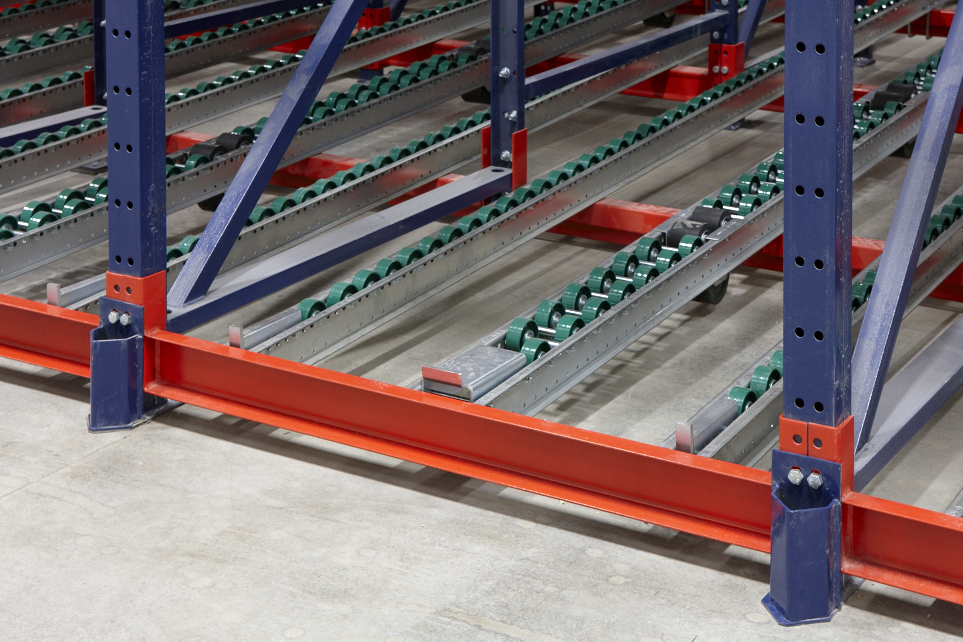
High-density pallet flow systems using gravity, wheels, and rollers to move stock through the lane, engineered for North American manufacturing, distribution, and cold storage applications.
20+
More than 20 pallets deep in deep lane configurations
2,500 lb
Up to 2,500 lb, typical deep lane range.
60+
More than 60 years of combined dynamic storage expertise, across 3D and Euroroll
500 lb
Up to 500 lb heavy duty roller capacity
What is pallet flow racking?
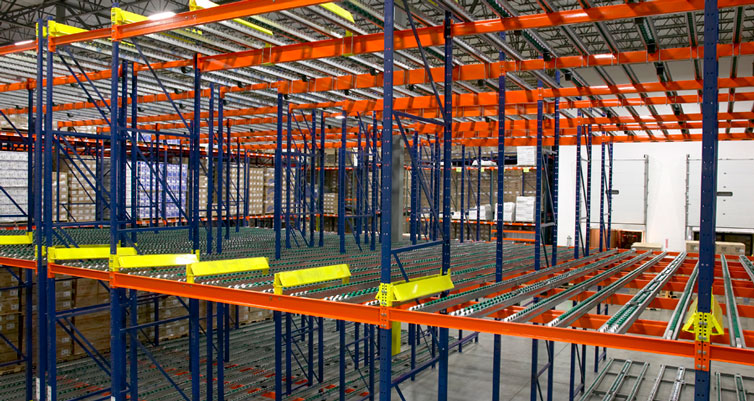
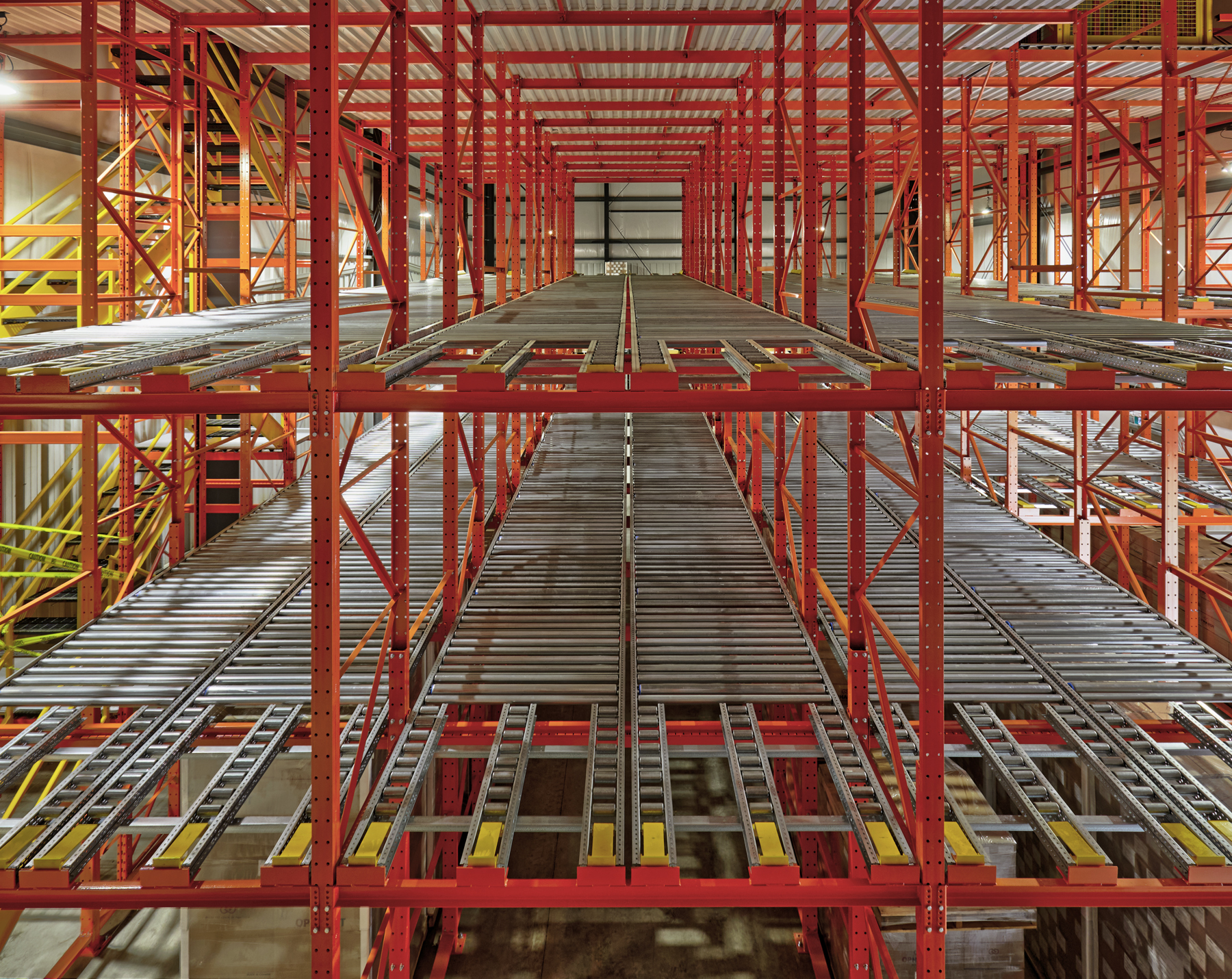
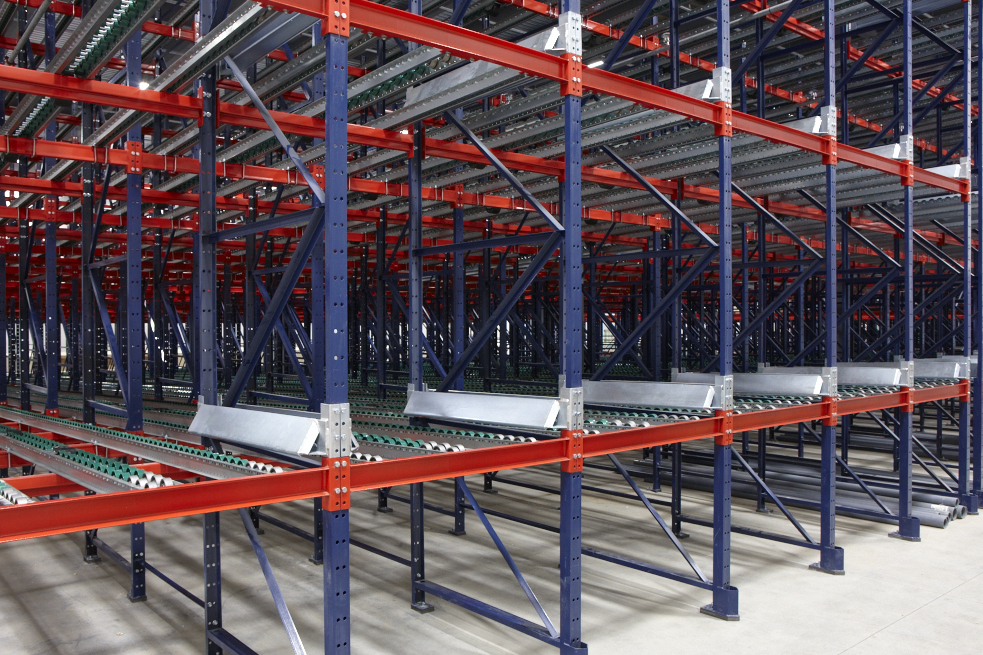
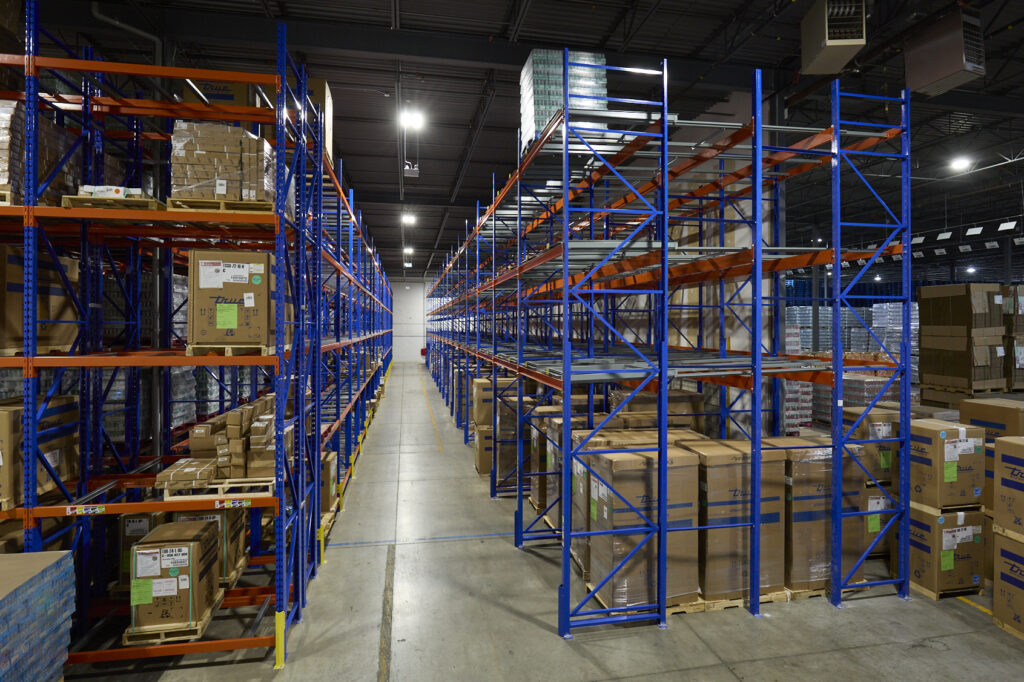
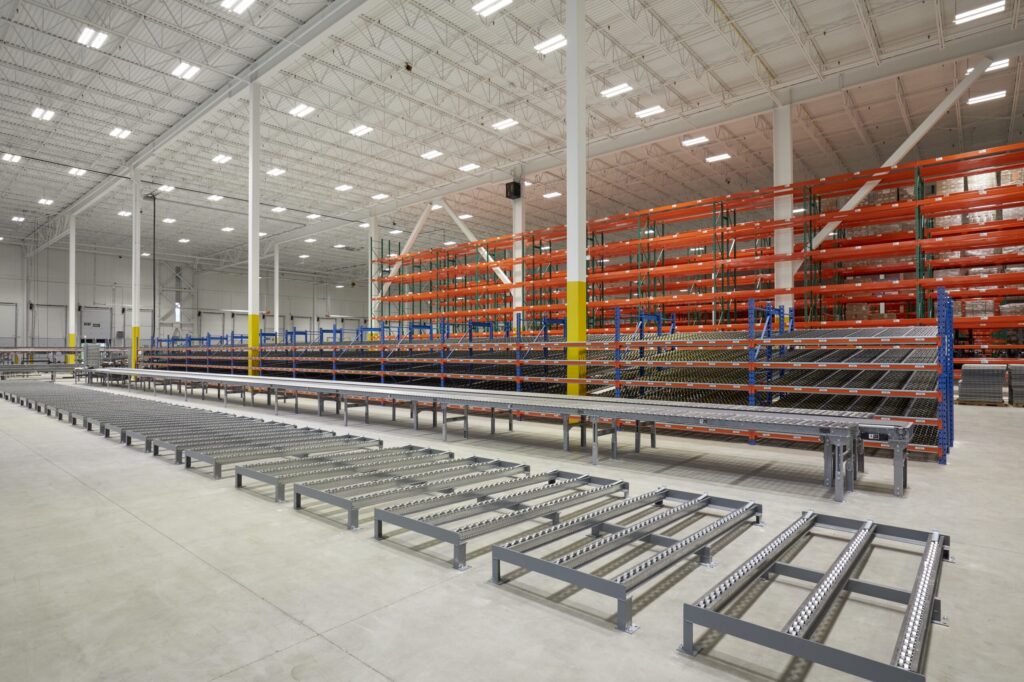
Pallet flow racks use gravity, wheels, and rollers to convey and accumulate pallets in a storage module. Depths range from 2 to over 20 pallets deep, giving you higher storage density than other forms of racking, with independent load and unload aisles so different operators can work a lane at the same time.
How it works
Pallets enter at the load end and travel down a gentle incline, with speed controllers maintaining safe, consistent travel. When a pallet is removed at the front, those behind roll forward automatically. Because the first pallet loaded is the first pallet available to unload, pallet flow makes strict first-in-first-out rotation easy to achieve with minimal operating discipline required.
Cold storage
Food & Packaged Goods
Automotive & Manufacturing
E-Commerce & Distribution
Wholesale & Retail Logistics
Pharma & Healthcare
Product Types
Match your inventory profile and pallet type to the right variant.
Not sure which fits? We’ll configure it for you.
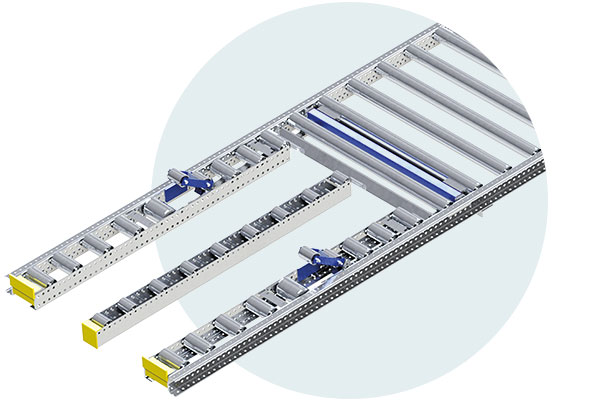
Polycarbonate wheels
4+ deep, 500–2,500 lb loads on GMA or CHEP pallets
Rollers
Non-standard pallets, steel bins, plastic pods and totes
Skate Wheels
2–3 pallets deep, high-turnover picking operations
Deep Lane Flow
High-volume, single-SKU storage for manufacturing and staging
Layer Picking
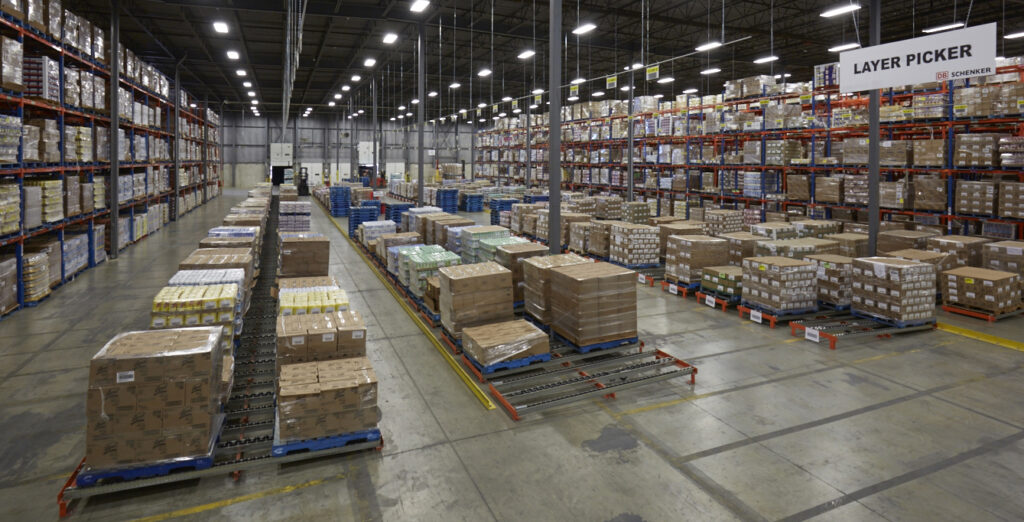
Full-layer pallet picking for high-throughput order fulfillment
Triple Track
All-steel construction, customizable for all pallet sizes, built for high-throughput deep lane applications
Installed Projects
Frequently Asked Questions
What determines the type of wheel or roller used?
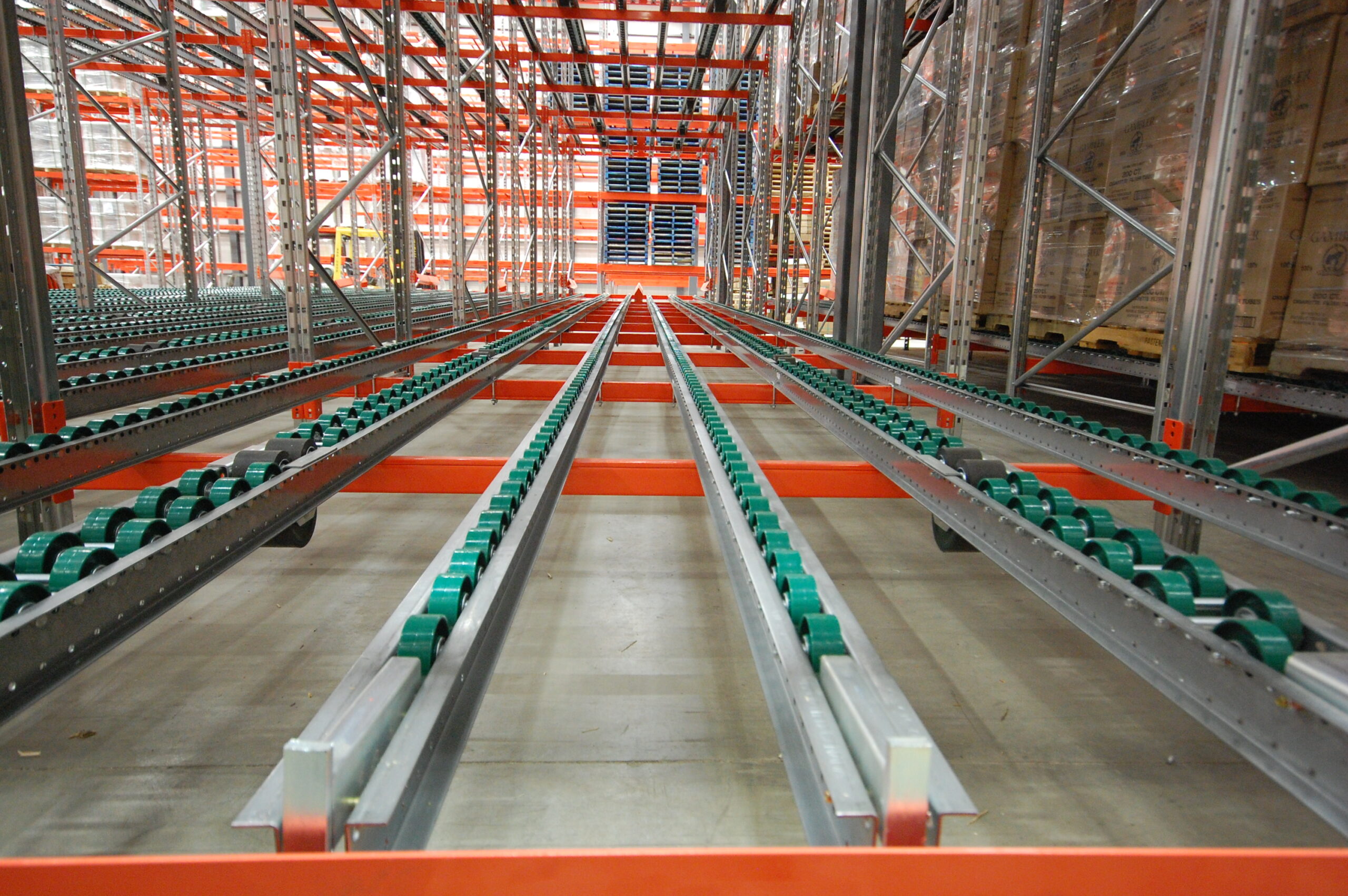
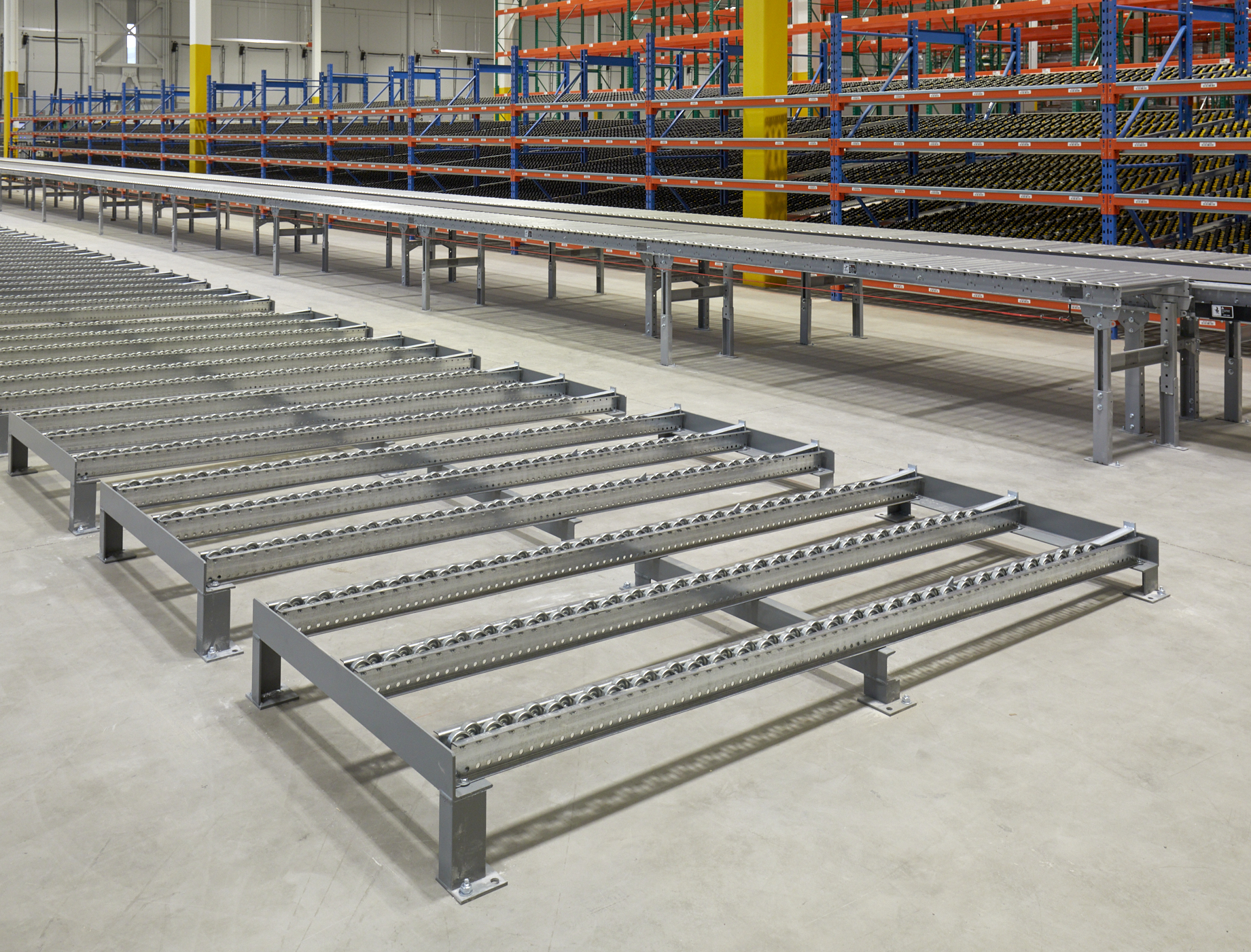
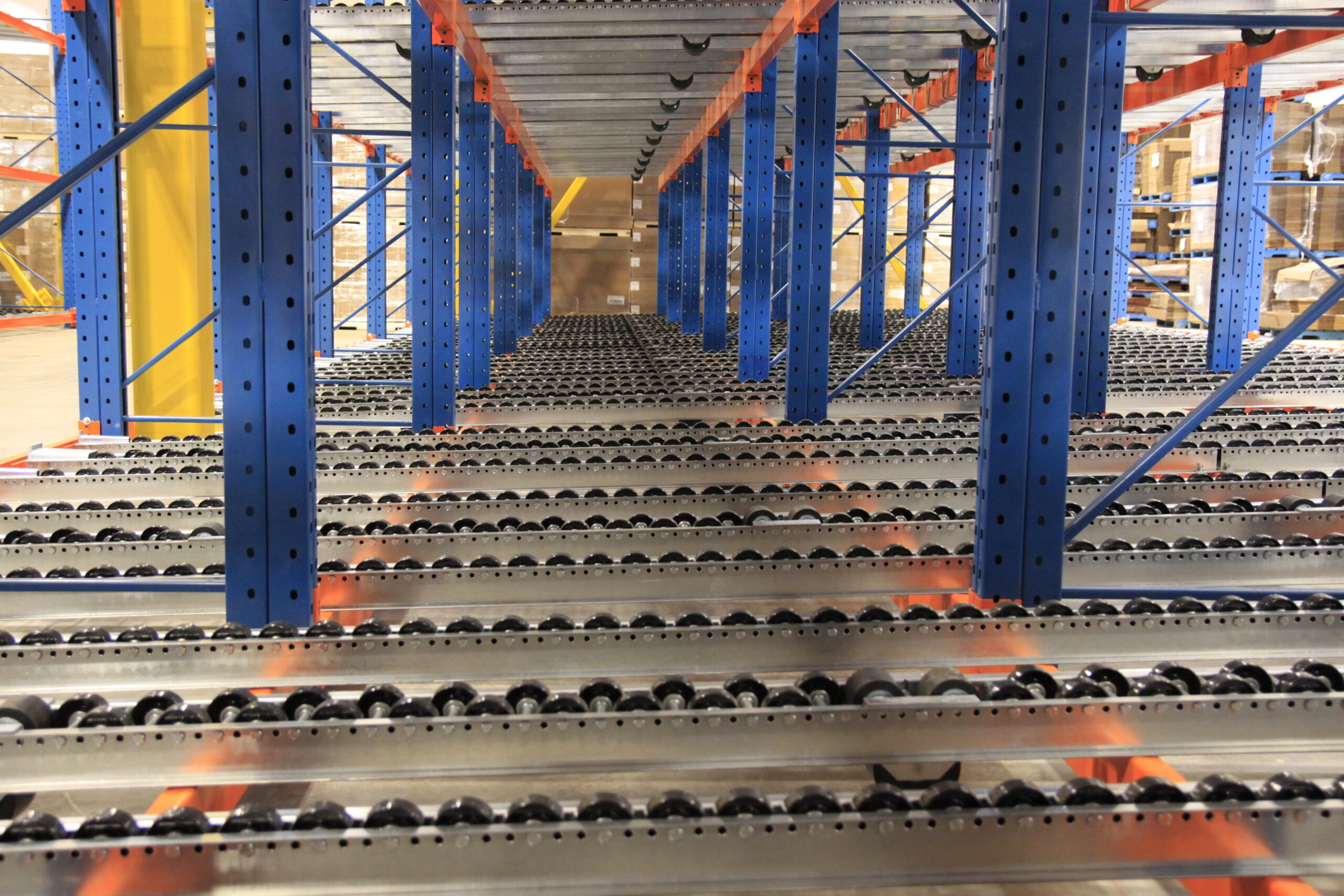
There are many factors considered when determining the type of wheel to be used in a pallet flow rack system. First and foremost is the pallet depth and application. If the system is only 2 or 3 pallets deep and to be used as a picking operation, then 1.9" diameter steel skatewheels may be used. Deeper gravity flow rack storage lanes tend to use larger diameter and wider polycarbonate wheels. Rollers are applied most often when the bottom of the pallet is not suited to wheels, such as plastic pod pallets or steel bins. 3D Storage Systems will test the pallets to find the best configuration for your pallet flow system.
Can pallet flow be used in cold storage environments?
Yes. We have pallet flow installations that function in temperatures from +122 to −40°F including blast freezers.
How deep can a pallet flow lane go?
There is nothing set in stone. Common depths range from 2 pallets deep to 20 pallets deep. Beyond 20 pallets deep, we look at it on a case-by-case basis, as there are a number of variables that need to be addressed. We have installed systems up to 26 pallets deep.
What pallet types are compatible with pallet flow?
CHEP or GMA-style pallets are the standard recommendation for reliable performance. Recycled pallets or inconsistent construction are a known cause of jams and downtime. Our team tests pallets to find the best wheel or roller configuration for your application.
Does pallet flow guarantee FIFO rotation?
Rotation depends on how the system is loaded and operated, not on the rack itself. Because pallets load at one end and unload at the other, pallet flow makes strict first-in-first-out rotation easy to achieve with minimal operating discipline required. That said, pallet flow isn't automatically the right call just because FIFO is a requirement, our team will help you confirm it's the best fit for your customer's application before you spec it.
How important is pallet quality for a pallet flow system?
Very. Pallet flow requires pallets that are consistent in size, weight distribution, and construction. CHEP or GMA-style pallets are the standard recommendation. Recycled pallets or those with inconsistent bottom boards are a known cause of jams and downtime, our team can help test your pallets to find the right wheel or roller configuration.
When does pallet flow make sense versus another system?
Pallet flow is best suited to high pallet counts per SKU, typically in manufacturing, staging, or high-turnover distribution environments. If your customer's inventory has low pallet counts per SKU or high SKU variety, another system will likely serve them better. We'll help you confirm the right fit before you spec a project.
Can pallet flow be used for case or layer picking, not just full pallet storage?
Yes. Our layer picking configuration is designed for full-layer pallet picking in high-throughput order fulfillment environments, in addition to standard full-pallet deep lane storage.
Pallet Flow Articles
How to Spec High Density Storage Properly: The Dealer Intake Checklist
When a mix of storage types beats “one rack type everywhere”
Let’s build your system
Tell us about your inventory and pallet quality, and we'll help you determine if pallet flow is the right fit, or if another system will serve your application better.